
Mechanical remediation is usually the first tool used on a site carrying coarse, debris-heavy or bulk-contaminated soil. It is the physical work of screening, aeration and separation that isolates what actually needs further chemical or biological treatment from what can be cleared right away.
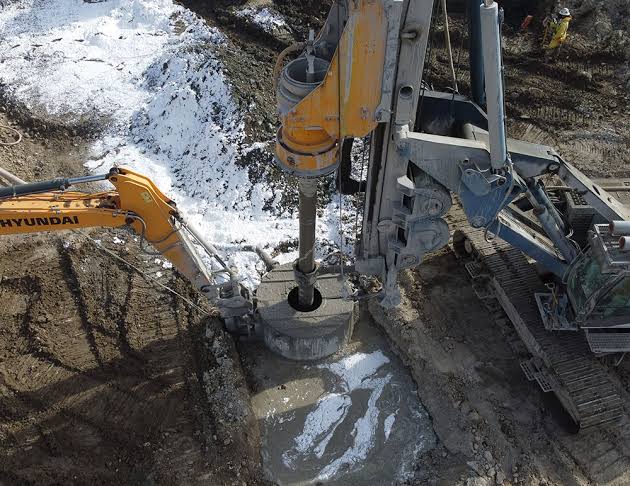
Field execution uses tracked loaders and excavators to remove impacted soils, with on-site screening and sorting to separate reusable fill from material that requires further treatment or transport to a MOECC-approved landfill or treatment facility. Where contamination is diffuse rather than concentrated, mechanical separation alone can resolve a site without the time and reagent cost of chemical or biological methods.
Our Key Focus Areas
Mechanical treatment is judged on how much material it actually clears, not how much it simply moves elsewhere. We prioritise screening and sorting that gets the most reusable fill on-site, reducing both the volume that needs off-site disposal and the transport and landfill cost that comes with it. This is the same on-site treatment principle behind the 40% average cost saving versus excavate-and-dispose.
3
Core mechanical techniques deployed on-site: screening, aeration, and physical separation.
- Mechanical Techniques
390001
MOECC activity code authorizing mechanical remediation on-site or off-site.
- Licensed Activity Code
What You’ll Get
Mechanical remediation clears a site fast, but only when it is paired with proper sorting, stabilization and compliant transport for whatever it cannot clear on the spot.

Excavation & Screening
Tracked loaders and excavators remove impacted soil, with on-site screening and sorting for reusable fill.

On-Site Stabilization
Binding agents or oxidants (e.g. hydrogen peroxide) applied where residual contamination needs locking down.

Compliant Transport
Non-recoverable soil transported to MOECC-approved landfills or treatment facilities under proper manifests.
Frequently Asked Questions
Common questions about our mechanical remediation service, process and MOECC compliance.
It’s the fastest route for coarse, debris-heavy or bulk-contaminated soils where physical screening and separation can isolate clean fill from contaminated material without needing chemical or biological treatment for the whole volume.
Not always. It is often the first stage instead. Mechanical screening isolates what can be cleared right away from what still needs ISCO or bioremediation, cutting down the volume that needs slower or more resource-intensive treatment.
It’s transported to a MOECC-approved landfill or treatment facility under proper transport manifests and chain-of-custody documentation, consistent with Qatar’s waste classification framework.
Getting the most reusable fill on-site directly reduces the volume and cost of off-site transport and disposal. This is the same principle behind our average 40% cost saving versus excavate-and-dispose to Mesaieed.
Excavators, skid steers, tipper trucks and soil screeners, sourced through registered plant hire vendors pre-approved to operate in oilfield and industrial zones.